
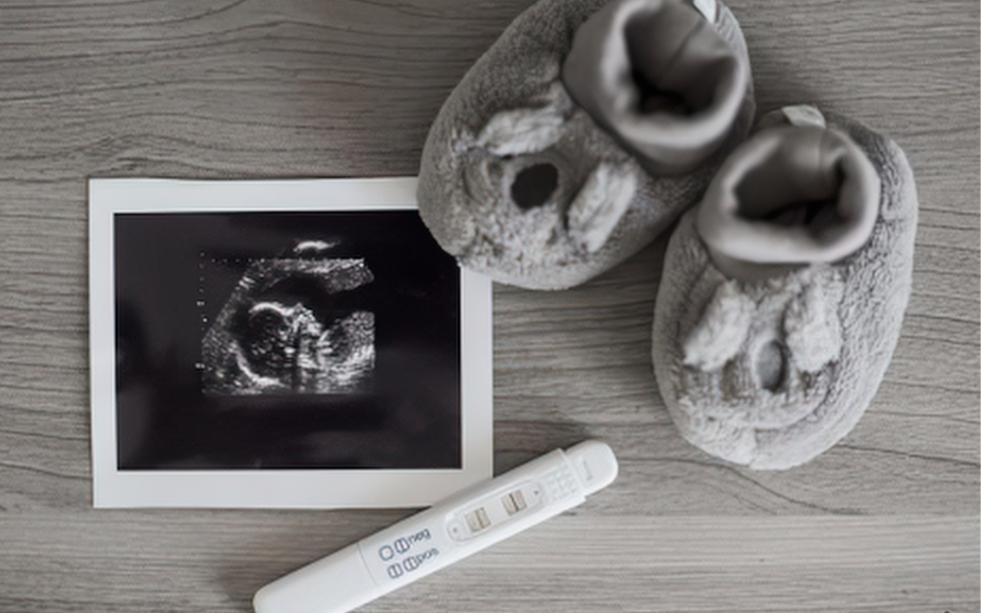
The journey toward parenthood is one of the most transformative experiences a person can undergo. It is a period defined by anticipation, joy, and, understandably, a desire for the highest level of safety and support. Choosing the right environment for this journey is the most critical decision an expectant parent can make. When you look for a Pregnancy Care Hospital, you aren’t just looking for a medical facility; you are looking for a partner to guide you through the milestones of pregnancy, the intensity of childbirth, and the delicate early days of motherhood.
The Foundation of a Safe Delivery
A safe delivery is built on a foundation of consistent, high-quality prenatal care. It begins long before the first contraction. Comprehensive maternity care involves a proactive approach where every stage of fetal development is monitored with precision. Modern maternal health focuses on identifying potential risks early—such as gestational diabetes or hypertension—and managing them through personalized nutrition, lifestyle adjustments, and medical intervention when necessary.
In a dedicated maternity environment, safety also means having a multidisciplinary team ready at a moment’s notice. While many births proceed naturally and without complication, the peace of mind that comes from knowing neonatal intensive care units (NICU) and expert obstetric surgeons are on-site cannot be overstated. A true sanctuary for birth balances the clinical necessity of safety with the emotional necessity of a calm, supportive atmosphere.
The Spectrum of Complete Maternity Care
Complete maternity care is holistic. it addresses the physical, emotional, and psychological changes that occur during the three trimesters and beyond.
- The First Trimester: Setting the Stage The early weeks are a time of rapid change. Early screenings and diagnostic ultrasounds provide the roadmap for the months ahead. During this phase, the focus is on stabilizing the pregnancy and ensuring the mother has the nutritional support needed to fuel the baby’s growth.
- The Second Trimester: Growth and Connection Often referred to as the “golden period,” this is when many mothers feel their best. Care during this time shifts toward detailed anomaly scans and monitoring the baby’s movements. It is also the ideal time for parents to engage in educational workshops regarding breastfeeding, infant care, and pain management options for labor.
- The Third Trimester: Preparation and Readiness As the due date approaches, the focus narrows to the birth plan. A quality care provider will discuss various delivery methods, including natural birthing and Cesarean sections, ensuring the mother feels empowered and informed. Monitoring increases to ensure the baby is in the optimal position and that the placenta is functioning perfectly.
Postpartum: The “Fourth Trimester”
The standard of care shouldn’t end the moment a family leaves the delivery room. The weeks following birth—often called the fourth trimester—are vital for the mother’s recovery. Complete maternity care includes postpartum check-ups to monitor physical healing and mental well-being. Support for lactation and newborn screenings are essential components that help new parents transition smoothly into their new roles at home.
Why the Right Environment Matters
Every family has a unique vision for their birthing experience. Some prioritize a low-intervention, midwife-led approach, while others find comfort in the most advanced technological monitoring available. The best approach is one that offers a “continuum of care,” where the same team that knows your history is the one standing by your side during labor.
In regions with growing healthcare infrastructure, the availability of a specialized Pregnancy Care Hospital ensures that expectant mothers do not have to compromise. These institutions are designed specifically with the comfort of the mother in mind, featuring labor-delivery-recovery (LDR) rooms that feel less like a clinical ward and more like a private suite, allowing the family to bond in peace.
Technology and Human Touch
While medical technology—from 4D ultrasounds to advanced fetal monitoring—is indispensable, it should never replace the human touch. A thoughtful healthcare provider listens to the mother’s concerns, respects her birth preferences, and provides a “humanized” experience. This means clear communication, kindness from the nursing staff, and a culture of empathy that permeates the entire hospital.
For those navigating this path, resources like Tirsa Healthcare offer insights into how modern medical infrastructure is evolving to meet these needs. By focusing on specialized equipment and dedicated maternal-fetal medicine, healthcare providers are making “safe delivery” a standard rather than a goal.
Final Thoughts
The path to motherhood is a marathon, not a sprint. It requires patience, strength, and, most importantly, a supportive village. By choosing a facility that prioritizes both safety and soul, you ensure that the birth of your child is remembered as a beautiful, empowered, and secure beginning. Whether you are in the planning stages or are already well into your pregnancy, remember that you deserve a care team that values your health and your story above all else.
Recent Comments