
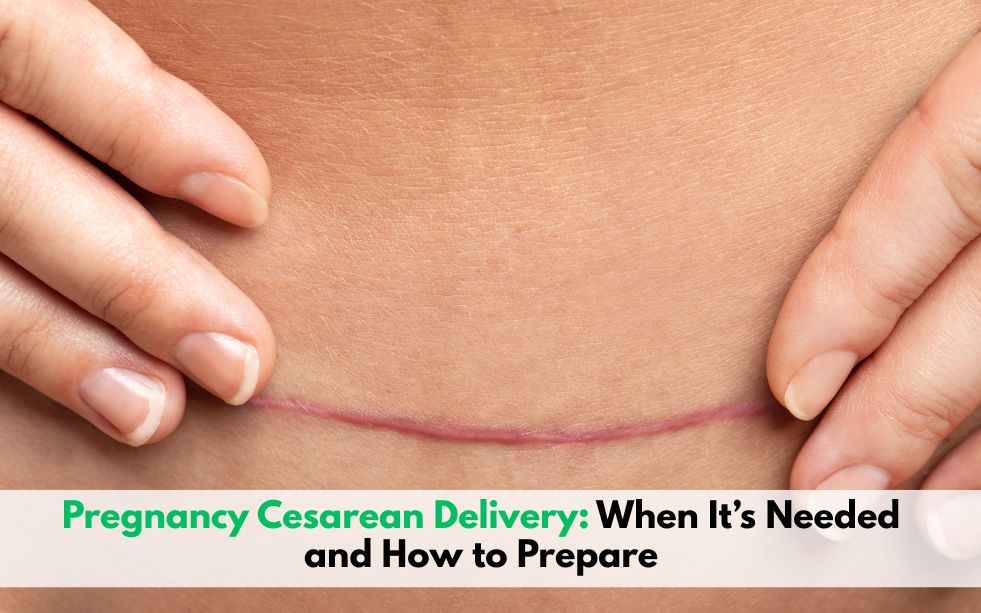
Pregnancy is a transformative journey that brings excitement, anticipation, and new responsibilities. While natural childbirth is common, some pregnancies require a Pregnancy Cesarean Delivery for the safety of both mother and baby. Understanding when a cesarean section (C-section) is necessary, the procedure itself, and how to prepare can help expecting mothers feel confident and informed. Tirsa Healthcare, located in North Delhi, offers expert obstetric care, modern surgical facilities, and comprehensive support to ensure a safe cesarean delivery experience.
What is a Pregnancy Cesarean Delivery?
A Pregnancy Cesarean Delivery, commonly known as a C-section, is a surgical procedure used to deliver a baby through incisions in the mother’s abdomen and uterus. Unlike vaginal birth, cesarean delivery may be planned in advance or performed as an emergency procedure when complications arise during labor. While a C-section is a major surgery, advances in obstetric care and anesthesia have made it safe and routine in modern healthcare settings.
Reasons for a Cesarean Delivery
Several medical and pregnancy-related factors can make a cesarean delivery necessary. The Pregnancy Cesarean Delivery is recommended in the following situations:
1. Labor Complications
Prolonged labor or failure to progress.
Fetal distress indicated by abnormal heart rate patterns.
Malposition of the baby, such as breech or transverse presentation.
2. Maternal Health Conditions
High blood pressure or preeclampsia.
Diabetes or gestational diabetes complications.
Heart disease or other chronic medical conditions requiring controlled delivery.
3. Previous Cesarean Deliveries
Women with prior C-sections may require repeat cesarean due to risks of uterine rupture.
Depending on the type of previous incision and pregnancy history, a planned Pregnancy Cesarean Delivery may be safest.
4. Multiple Pregnancies
Twin, triplet, or higher-order pregnancies often necessitate a cesarean for safe delivery.
5. Placental or Umbilical Issues
Placenta previa (placenta covering the cervix).
Placental abruption (early separation of the placenta).
Umbilical cord prolapse affecting the baby’s oxygen supply.
6. Large Baby (Macrosomia)
Babies with excessive birth weight may not pass safely through the birth canal, requiring a cesarean.
Tirsa Healthcare’s experienced obstetricians assess these factors carefully to determine whether a Pregnancy Cesarean Delivery is needed, prioritizing maternal and fetal safety.
Types of Cesarean Deliveries
Understanding the types of cesarean delivery can help mothers prepare better:
1. Planned (Elective) Cesarean
Scheduled in advance based on medical indications or maternal preference.
Allows preparation for surgery, anesthesia, and postnatal care.
2. Emergency Cesarean
Performed urgently when complications arise during labor.
Prioritizes immediate safety of the mother and baby.
3. Primary vs. Repeat Cesarean
Primary: First-time cesarean delivery.
Repeat: Performed on mothers who have had previous C-sections.
4. Classical vs. Low Transverse Incision
Low Transverse (Bikini) Incision: Most common and preferred due to reduced complications and faster recovery.
Classical (Vertical) Incision: Rarely used, reserved for specific medical conditions.
Tirsa Healthcare ensures that the type of cesarean is chosen based on safety, medical history, and best clinical practices.
Preparing for a Pregnancy Cesarean Delivery
Proper preparation is key for a smooth cesarean experience. A Pregnancy Cesarean Delivery requires both physical and mental readiness.
1. Medical Preparation
Complete prenatal check-ups including blood tests, ultrasounds, and fetal monitoring.
Review medical history, allergies, and current medications with the obstetrician.
Discuss anesthesia options and surgical risks with the medical team.
2. Mental and Emotional Preparation
Understanding the procedure helps reduce anxiety and fear.
Attend counseling sessions or prenatal classes focusing on cesarean recovery and newborn care.
Discuss birth plans, including preferences for skin-to-skin contact and early breastfeeding.
3. Hospital Admission and Logistics
Arrive at the hospital as advised, usually a few hours before the scheduled surgery.
Pack a hospital bag with essentials for mother and baby.
Arrange support from family or caregivers for post-surgery recovery.
4. Fasting and Medication Guidelines
Follow fasting instructions provided by the obstetrician to prevent complications during anesthesia.
Take prescribed medications, if any, as advised.
The Cesarean Procedure
A Pregnancy Cesarean Delivery is performed under regional (spinal or epidural) or general anesthesia. The steps include:
Administering anesthesia to numb the lower body.
Cleaning and sterilizing the abdominal area.
Making an incision in the lower abdomen and uterus.
Delivering the baby safely.
Clamping and cutting the umbilical cord.
Removing the placenta and closing incisions in the uterus and abdomen.
The procedure typically takes 45 minutes to 1 hour, with most mothers awake and able to see their baby immediately after delivery. Tirsa Healthcare prioritizes comfort, safety, and compassionate care during the entire surgical process.
Postoperative Care and Recovery
Recovery after a cesarean is a critical phase. A comprehensive plan ensures faster healing and minimal complications:
1. Hospital Stay
Usually 2–4 days for monitoring mother and baby.
Pain management and wound care provided by medical staff.
2. Physical Recovery
Gradual mobilization to prevent blood clots and promote healing.
Avoiding heavy lifting and strenuous activities for several weeks.
Proper nutrition to aid tissue repair and support breastfeeding.
3. Emotional Support
Counseling for postpartum mood swings or anxiety.
Support groups and guidance on newborn care to enhance confidence and well-being.
4. Follow-Up Visits
Regular check-ups to monitor incision healing and overall recovery.
Assessing uterine involution, scar integrity, and physical fitness.
Tirsa Healthcare’s team provides comprehensive post-cesarean support, ensuring that mothers regain strength and mobility safely.
Benefits and Risks of Cesarean Delivery
Understanding the advantages and potential risks of a Pregnancy Cesarean Delivery helps in informed decision-making.
Benefits
Reduces risk of labor-related complications for mother and baby.
Safe option for high-risk pregnancies.
Controlled timing allows better planning for hospital admission.
Risks
Longer recovery compared to vaginal delivery.
Potential for surgical complications such as infection or bleeding.
Future pregnancies may require careful monitoring.
Tirsa Healthcare’s experienced obstetricians mitigate risks through advanced surgical techniques, monitoring, and post-operative care.
Lifestyle and Diet After Cesarean
A healthy recovery includes attention to diet, physical activity, and overall well-being:
Balanced Diet: High-protein foods, fruits, vegetables, and hydration to promote healing.
Gradual Exercise: Light walking and stretching to improve circulation and prevent stiffness.
Scar Care: Proper hygiene and medical guidance to prevent infections and minimize scarring.
Rest and Support: Adequate sleep, rest periods, and assistance with newborn care.
These measures ensure a smoother recovery and quicker return to daily activities.
Choosing the Right Hospital for Cesarean Delivery
Selecting a hospital with skilled obstetricians, advanced facilities, and emergency support is crucial for a safe Pregnancy Cesarean Delivery. Tirsa Healthcare offers:
Experienced gynaecologists and anesthesiologists.
State-of-the-art labor and operating rooms.
Neonatal intensive care for high-risk newborns.
Comprehensive pre- and post-surgery support services.
This ensures that every cesarean delivery is performed safely, efficiently, and with personalized care.
Patient Testimonials
Patients at Tirsa Healthcare have consistently praised the cesarean delivery experience:
“The doctors explained the entire procedure and took excellent care of me and my baby. Recovery was smooth, and I felt supported throughout.”
“My cesarean delivery at Tirsa Healthcare was safe, comfortable, and well-managed. The staff’s attention and guidance were exceptional.”
These testimonials highlight the expertise, compassion, and reliability of Tirsa Healthcare.
Conclusion
A Pregnancy Cesarean Delivery can be a life-saving procedure when complications arise or when medically indicated. Proper preparation, understanding the process, and selecting a skilled gynaecologist are essential for ensuring safety and a healthy outcome for both mother and baby. Tirsa Healthcare offers expert obstetric care, advanced surgical facilities, and comprehensive support before, during, and after cesarean delivery.
Expectant mothers can have peace of mind knowing that their Pregnancy Cesarean Delivery will be handled with precision, empathy, and the highest standards of medical care. Book your appointment at Tirsa Healthcare today and ensure a safe, confident, and well-supported cesarean delivery experience.