
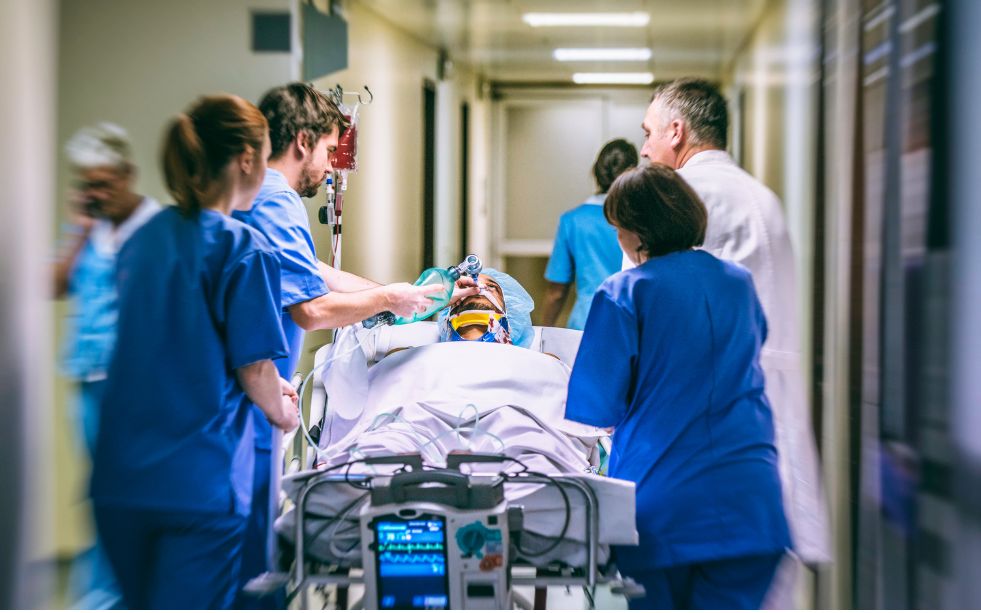
When a medical crisis strikes, every second counts. Whether it is a sudden cardiac event, a severe injury, or an acute respiratory struggle, the quality of immediate intervention often determines the path to recovery. For residents and commuters in the northern corridors of the capital, identifying a reliable Emergency Hospital in North Delhi is not just a matter of convenience—it is a critical part of family safety and preparedness.
In the fast-paced environment of North Delhi, where traffic and density can complicate transit, having access to a facility equipped with expert doctors and cutting-edge technology is paramount. This guide explores what defines high-caliber emergency care and how modern medical infrastructure is evolving to meet the needs of the community.
The Anatomy of an Elite Emergency Department
An emergency department (ED) is much more than a walk-in clinic. It is a highly synchronized ecosystem designed to stabilize patients in their most vulnerable moments. A premier facility in North Delhi integrates several core components to ensure seamless care:
1. The Golden Hour Response
Medical professionals often refer to the “Golden Hour”—the critical window immediately following a traumatic injury or a stroke. A top-tier Emergency Hospital in North Delhi prioritizes rapid triage. This process ensures that patients are not just seen in the order they arrive, but based on the severity of their condition. Expert clinicians are trained to spot the subtle signs of life-threatening issues within seconds of a patient’s arrival.
2. Multi-Disciplinary Expertise
Emergencies rarely affect just one system of the body. A fall might involve orthopedic fractures as well as neurological trauma. Therefore, immediate medical care must be backed by a panel of expert doctors including trauma surgeons, cardiologists, neurologists, and intensive care specialists. Having these experts on-call 24/7 ensures that the transition from the emergency room to the operating theater or the ICU is instantaneous.
3. Advanced Diagnostic Integration
You cannot treat what you cannot see. Immediate care requires on-site, round-the-clock access to advanced imaging such as CT scans, MRIs, and digital X-rays, alongside a fully automated pathology lab. Rapid diagnostics allow doctors to differentiate between a common ailment and a critical emergency, such as distinguishing a heart attack from acute indigestion.
Why Location Matters in North Delhi
North Delhi is a hub of activity, spanning from the bustling markets of Chandni Chowk to the residential stretches of Rohini and Pitampura. In a medical emergency, traveling across the city to South or Central Delhi is often not an option.
Choosing a local Emergency Hospital in North Delhi minimizes transit time, which is the single most important factor in “time-sensitive” conditions like brain strokes or cardiac arrests. Furthermore, a local facility understands the specific demographic needs of the area, providing a sense of community trust and accessibility that larger, distant institutions might lack.
The Human Element in Critical Care
While technology and speed are vital, the “human touch” remains the cornerstone of effective healthcare. In an emergency, patients and their families are often in a state of shock or extreme anxiety. Expert doctors in North Delhi are increasingly focusing on “humanized” care—communicating with empathy, providing clear updates to families, and ensuring that the patient feels safe and respected despite the clinical urgency.
This approach involves:
- Transparent Communication: Explaining procedures in simple, non-technical terms.
- Pain Management: Prioritizing the patient’s comfort alongside their clinical stability.
- Post-Emergency Coordination: Ensuring a clear roadmap for recovery once the immediate crisis has passed.
Critical Services to Look For
If you are evaluating healthcare options for your family’s emergency plan, ensure the facility offers the following:
- Trauma Care: For accidents and physical injuries.
- Cardiac Emergency Unit: Equipped with a Cath Lab for immediate intervention in heart attacks.
- Stroke Center: Specialized protocols for managing “Brain Attack” cases.
- Pediatric Emergency: Doctors trained specifically in handling medical crises in children.
- 24/7 Pharmacy and Blood Bank: Essential for life-saving surgeries and stabilization.
Conclusion: Preparedness is Peace of Mind
No one expects an emergency, but being prepared for one is an act of responsibility. Knowing the location, contact details, and capabilities of a leading Emergency Hospital in North Delhi can save lives.
For those seeking excellence in healthcare infrastructure and medical expertise, Tirsa Healthcare stands as a testament to modern medical standards. By combining technical precision with a patient-first philosophy, such institutions ensure that the residents of North Delhi have access to world-class medical intervention exactly when they need it most.
In the realm of emergency medicine, the goal is always clear: to provide a bridge from crisis to recovery through swift action, expert skill, and unwavering care.
Recent Comments