
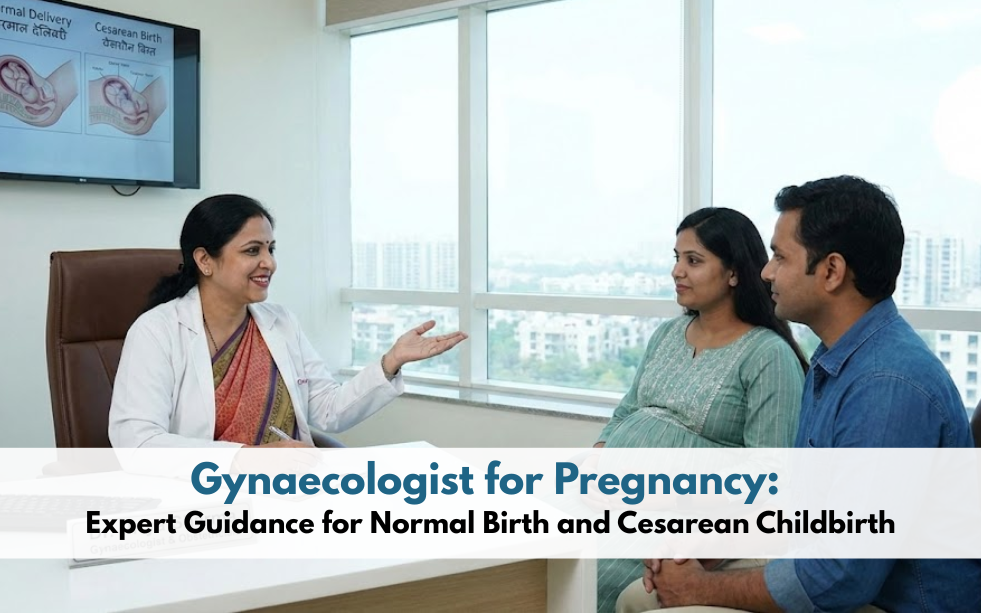
Pregnancy is a profound and transformative phase in a woman’s life—one that blends anticipation, responsibility, physical change, and emotional growth. From the earliest confirmation of pregnancy to the first embrace of your newborn, every stage demands thoughtful care, informed decision-making, and expert medical supervision.
At the heart of a safe and positive pregnancy experience lies one critical choice: selecting the right gynaecologist for pregnancy. Whether the journey leads to a normal birth delivery or a cesarean childbirth, experienced clinical guidance ensures the health, safety, and confidence of both mother and baby.
Why the Right Gynaecologist Matters in Pregnancy
A gynaecologist during pregnancy is far more than a consulting physician. They serve as a clinical strategist, counsellor, and constant medical anchor, guiding the mother through each physiological and emotional transition.
An experienced pregnancy gynaecologist plays a vital role in:
Continuous monitoring of maternal and fetal well-being
Early identification and management of complications
Personalised nutrition and lifestyle counselling
Evidence-based planning of the safest delivery method
Emotional reassurance and mental health support
With expert oversight from conception to postpartum recovery, pregnancy becomes not just safer—but calmer, more informed, and more empowering.
Comprehensive Pregnancy Care: From Conception to Delivery
Pregnancy unfolds across three trimesters, each with its own medical priorities and care protocols.
First Trimester: Building a Healthy Foundation
The first trimester focuses on confirmation, assessment, and risk identification. Key components include:
Confirmation of pregnancy and baseline investigations
Early ultrasound examinations
Management of nausea, fatigue, and hormonal changes
Nutritional supplementation and lifestyle guidance
Identification of high-risk factors
Early engagement with a gynaecologist for pregnancy establishes a strong medical foundation for the months ahead.
Second Trimester: Monitoring Growth and Development
Often considered the most comfortable phase, the second trimester remains crucial for structured monitoring:
Regular antenatal checkups
Anomaly scans and fetal development assessment
Maternal weight, blood pressure, and glucose monitoring
Ongoing nutritional and physical activity guidance
Consistent follow-up during this phase ensures both mother and baby remain on a healthy trajectory.
Third Trimester: Preparing for Birth
The final trimester is focused on readiness—for both labour and delivery:
Final growth scans and fetal position assessment
Planning the mode of delivery
Education on labour signs and hospital admission
Monitoring maternal strength, nutrition, and wellbeing
Close medical supervision during this stage is essential to ensure a timely and safe childbirth.
Normal Birth Delivery: The Natural Approach
A normal birth delivery (vaginal delivery) is the preferred mode of childbirth when pregnancy conditions are favourable and no medical risks are present.
Benefits of Normal Birth Delivery
Faster maternal recovery
Reduced risk of infection
Shorter hospital stay
Early initiation of breastfeeding
Enhanced newborn immunity and bonding
A skilled gynaecologist for pregnancy actively supports and encourages normal delivery when it is medically appropriate.
When Normal Delivery Is Suitable
Healthy mother and fetus
Baby positioned head-down
Absence of major pregnancy complications
Adequate pelvic anatomy
With vigilant monitoring and expert support, many women experience safe and fulfilling normal births.
Cesarean Childbirth: A Medically Guided Decision
While natural delivery is ideal, certain clinical situations require cesarean childbirth to ensure maternal or fetal safety.
A cesarean section is a surgical procedure used to deliver the baby through an incision in the abdomen and uterus.
Common Medical Indications for Cesarean Delivery
Breech or abnormal fetal position
Prolonged or obstructed labour
Placental complications
Multiple gestations
Fetal distress
Prior cesarean delivery
Maternal conditions such as hypertension or diabetes
An experienced gynaecologist recommends cesarean delivery only when medically justified, guided by evidence and patient safety.
Safety and Outcomes of Cesarean Childbirth
Cesarean childbirth is a well-established and safe procedure when performed by an experienced team in a fully equipped maternity facility.
Advantages of Planned Cesarean Delivery
Reduced risk in high-risk pregnancies
Predictable and controlled delivery timing
Immediate access to advanced medical care
Although recovery typically requires more time than normal delivery, comprehensive postoperative and postnatal care ensures optimal healing and well-being.
Choosing Between Normal and Cesarean Delivery
Every pregnancy is unique, and childbirth planning must be individualised.
A qualified gynaecologist for pregnancy evaluates:
Maternal health status
Fetal growth and positioning
Obstetric history
Current pregnancy risk factors
The final decision on the mode of delivery is always guided by medical safety, clinical judgement, and the best interests of both mother and baby.
The Gynaecologist’s Role During Labour and Delivery
Labour is dynamic and unpredictable, requiring continuous expert oversight. During this critical phase, the gynaecologist:
Monitors labour progression and fetal heart rate
Manages pain and discomfort
Identifies and responds to emergencies
Initiates timely medical or surgical interventions
Ensures safe delivery outcomes
The presence of a trusted gynaecologist during labour offers reassurance, confidence, and clinical security.
Post-Delivery and Postnatal Care: Completing the Journey
Childbirth is only the beginning of recovery and adaptation. Postnatal care is essential for long-term maternal and neonatal health.
Post-delivery care includes:
Monitoring physical recovery and wound healing
Pain management and infection prevention
Breastfeeding guidance and lactation support
Screening for postpartum emotional health concerns
Baby care, growth monitoring, and immunisation guidance
Whether after a normal birth delivery or cesarean childbirth, structured postnatal care ensures a smooth transition into motherhood.
What Defines an Excellent Gynaecologist for Pregnancy?
A truly effective pregnancy gynaecologist combines clinical expertise with compassionate care. Key qualities include:
Extensive experience in obstetrics
Proficiency in both normal and operative deliveries
Clear communication and patient education
Availability during emergencies
A calm, empathetic, and supportive approach
The right gynaecologist empowers women with knowledge, confidence, and trust throughout their pregnancy journey.
Creating a Safe and Supportive Maternity Environment
Alongside medical expertise, the quality of the healthcare facility matters deeply. A well-equipped maternity centre with:
Advanced diagnostic and surgical infrastructure
Emergency and neonatal support
Skilled nursing and support staff
…ensures safety, comfort, and continuity of care at every stage.
A Thoughtful Beginning to Motherhood
Pregnancy deserves attentive, expert, and compassionate care. Whether the path leads to a natural birth or a medically indicated cesarean, the guidance of an experienced gynaecologist for pregnancy shapes outcomes and experiences alike.
With informed planning, regular monitoring, and expert medical support, childbirth can be safe, empowering, and deeply fulfilling.
If you are planning a pregnancy or already expecting, early consultation and consistent antenatal care remain the strongest foundations for a healthy mother and a healthy baby.
Recent Comments