
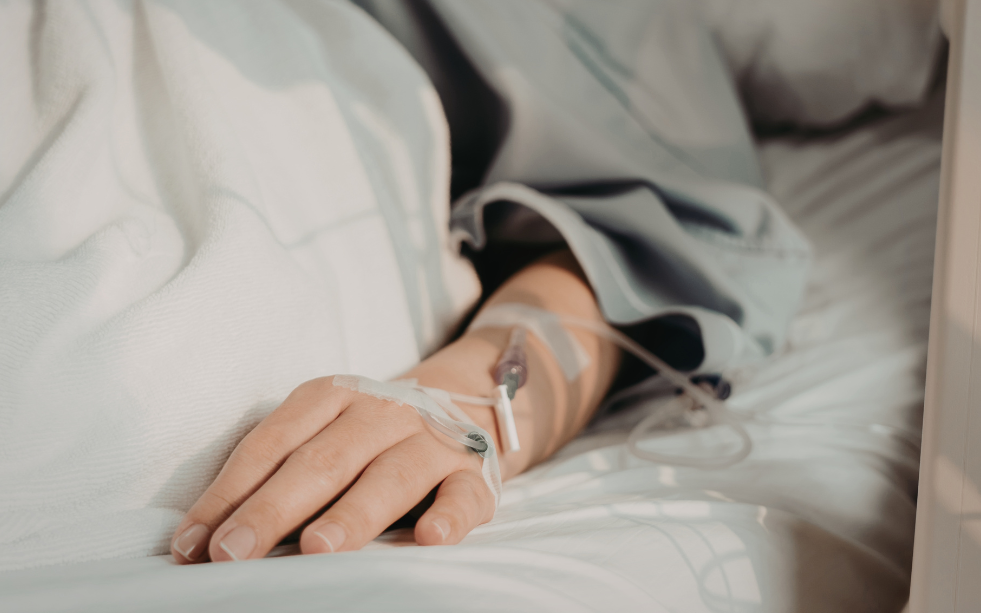
Dengue fever, often called “breakbone fever” for the intense muscle and joint pain it causes, is a seasonal threat that peaks during and after the monsoon. While many cases are mild, dengue is a dynamic disease that can become life-threatening within hours if not properly monitored.
When you or a loved one is diagnosed, the choice of a Dengue Treatment Hospital becomes the most critical factor in ensuring a safe and swift recovery. Early diagnosis isn’t just a medical recommendation—it is a life-saving necessity.
In this article, we’ll discuss how to identify the symptoms early and what specific facilities you should look for in a healthcare provider to manage this condition effectively.
1. Recognising the Early Warning Signs
Dengue usually starts with a sudden, high-grade fever. However, the “critical phase” of dengue typically begins as the fever starts to subside (usually 3 to 7 days after the first symptoms). This is when complications like plasma leakage or internal bleeding can occur.
Seek a consultation at a specialised hospital if you notice:
- Severe abdominal pain or persistent vomiting.
- Bleeding from the gums or nose.
- Rapid breathing or extreme fatigue.
- A sudden drop in temperature (below 100.4°F) accompanied by cold or clammy skin.
2. The Power of Early Diagnosis
Dengue symptoms often mimic those of other viral illnesses, such as malaria or the common flu. The Dengue Treatment Hospital you choose must have an advanced diagnostic laboratory capable of performing specific tests:
- NS1 Antigen Test: Highly effective if done within the first 5 days of fever.
- IgM and IgG Antibody Tests: Helpful in the later stages to confirm the infection and check for previous exposure.
- Complete Blood Count (CBC): Essential for daily monitoring of the hematocrit levels and platelet count.
At Tirsa Healthcare, we provide comprehensive fever panels and specialised dengue profiles to ensure that no time is lost in starting the correct treatment protocol.
3. What to Look for in a Dengue Treatment Hospital
Not every clinic is equipped to handle a severe case of dengue. When evaluating a facility, prioritise these three pillars:
A. Advanced Monitoring and ICU Support
In severe cases, such as Dengue Hemorrhagic Fever (DHF) or Dengue Shock Syndrome (DSS), patients require 24/7 monitoring of blood pressure and fluid balance. Ensure the hospital has a well-equipped Intensive Care Unit (ICU) and a team of internal medicine specialists ready to intervene.
B. In-House Pharmacy and Blood Bank Access
Dengue treatment is primarily supportive, focusing on hydration and fever management. However, if platelet levels fall dangerously low (typically below 20,000/cu.mm), a transfusion may be necessary. A top-tier Dengue Treatment Hospital will have a reliable network or in-house facility to manage blood products and essential medications.
C. Expert Nursing and Supportive Care
Fluid management in dengue is a delicate science. Too little fluid can lead to shock, while too much can cause respiratory distress. Specialised nursing staff, like those at Tirsa Healthcare, are trained in precise fluid titration and “warning sign” recognition, which is vital for patient safety.
4. Why Platelet Monitoring Matters
One of the most common concerns for patients is a “falling platelet count.” While the number itself is important, specialists look at the trend. A steady decline indicates the virus is still active in the bone marrow, whereas a stabilising count is often the first sign of recovery.
Important Note: Avoid self-medicating with Aspirin or Ibuprofen (NSAIDs) during a suspected dengue infection. These can thin the blood and significantly increase the risk of internal bleeding. Only Paracetamol should be used for fever control under medical supervision.
5. Recovery and Long-term Care
The recovery phase of dengue can be accompanied by a “recovery rash” and intense itching, but it marks the end of the danger zone. A dedicated hospital will provide clear post-discharge guidelines, including nutritional counselling to help rebuild your strength and immunity.
Conclusion
Dengue is a formidable opponent, but it is entirely manageable with the right expertise. Choosing a Dengue Treatment Hospital that offers 24/7 diagnostic support, expert physicians, and specialised care protocols can make all the difference.
At Tirsa Healthcare, we combine advanced medical technology with a patient-first approach to ensure you get back on your feet as quickly as possible. Don’t wait for symptoms to worsen—early intervention is your best defence.
Recent Comments