
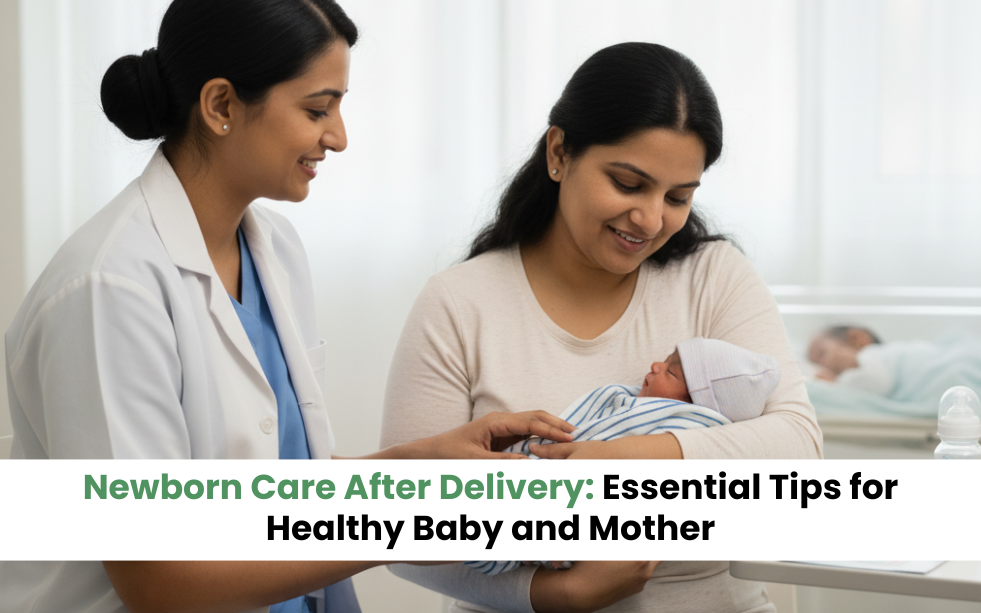
Welcoming a newborn into the world is one of life’s most joyful experiences. However, the days and weeks after delivery are also a critical period for both the baby and the mother. Proper Newborn Care After Delivery is essential to ensure the baby’s healthy growth, development, and safety, while also supporting the mother’s recovery and well-being.
This blog will guide you through essential newborn care practices, tips for mothers, and the importance of creating a safe, nurturing environment during the postpartum period.
Importance of Newborn Care After Delivery
The first few weeks after birth are often called the “golden period” because they set the foundation for the baby’s physical and emotional development. Newborns have delicate immune systems and are highly dependent on their caregivers. Providing proper care ensures:
- Protection against infections and illnesses
- Healthy feeding and nutrition habits
- Bonding between the mother and the baby
- Early detection of potential health issues
- Emotional stability for both baby and mother
For mothers, this period is equally important as their bodies recover from childbirth. Balanced nutrition, adequate rest, and emotional support are critical for complete recovery.
Essential Tips for Newborn Care After Delivery
1. Feeding and Nutrition
Breastfeeding is the most important aspect of Newborn Care After Delivery. Breast milk provides all the essential nutrients and antibodies required for the baby’s growth and immunity. Key points to remember:
- Feed the baby every 2–3 hours or on demand.
- Ensure proper latching to avoid feeding difficulties.
- Stay hydrated and maintain a nutritious diet to support milk production.
If breastfeeding is not possible, consult a pediatrician for suitable alternatives such as formula feeding.
2. Maintaining Hygiene
Newborns are prone to infections, so hygiene must be a top priority.
- Wash hands thoroughly before handling the baby.
- Keep feeding bottles and nipples sterilized.
- Change diapers frequently to prevent rashes.
- Bathe the baby gently with lukewarm water and mild products.
3. Safe Sleeping Practices
Sleep is crucial for a baby’s development, but safety should always come first.
- Place the baby on their back to sleep, reducing the risk of Sudden Infant Death Syndrome (SIDS).
- Use a firm mattress with no pillows or stuffed toys.
- Keep the baby’s room well-ventilated and at a comfortable temperature.
4. Umbilical Cord Care
The umbilical cord stump usually falls off within the first few weeks. Until then:
- Keep the area clean and dry.
- Avoid covering the stump with tight diapers.
- Watch for signs of infection such as redness, swelling, or discharge.
5. Regular Health Check-Ups
Routine check-ups are a vital part of Newborn Care After Delivery. Pediatricians monitor the baby’s weight, growth milestones, and overall health. Ensure vaccinations are administered on time for protection against diseases.
6. Bonding and Emotional Care
Newborns thrive on love, warmth, and comfort. Practices such as skin-to-skin contact, gentle rocking, and responding to cries help build a strong emotional bond between parent and child. This bonding also aids in the baby’s brain development.
Tips for the Mother’s Care After Delivery
The mother’s health is just as important as the baby’s. Proper postpartum care ensures she regains strength and can care for her newborn effectively.
- Nutrition and Hydration
A balanced diet rich in protein, vitamins, and iron supports recovery and improves milk production. Staying hydrated is equally important. - Rest and Sleep
Newborn care can be exhausting. Mothers should try to rest when the baby sleeps and seek support from family to avoid fatigue. - Postpartum Exercise
Light exercises and walking can aid recovery, but only after consulting a doctor. - Emotional Support
Some mothers experience postpartum mood swings or depression. Emotional support from family and timely medical guidance is essential. - Regular Check-Ups
Mothers should attend follow-up visits to monitor healing, manage any complications, and discuss family planning options.
Creating a Supportive Environment
Both the baby and the mother need a supportive environment during the postpartum period. Families should focus on:
- Sharing caregiving responsibilities
- Offering emotional reassurance
- Ensuring a peaceful and stress-free environment
- Encouraging the mother to prioritize her health as much as the baby’s
Conclusion
The period immediately following childbirth is crucial for the health of both the baby and the mother. Proper Newborn Care After Delivery ensures healthy development for the baby and smooth recovery for the mother. From feeding and hygiene to emotional support and regular check-ups, every step contributes to long-term well-being.
By understanding and practicing these essential tips, families can create a nurturing and safe environment where both mother and child can thrive.